
 電話で予約
 WEB予約
 LINEで予約



Medically reviewed by: Dr. Shinya Sasagawa
Dermatologist, Representative Director of Shingetsukai Medical Corporation
Clinic Specializing in Nasolabial Folds and Wrinkle Treatments
Osaka Houreisen Skin Clinic /
Tokyo Houreisen Skin Clinic /
Nagoya Houreisen Skin Clinic
Meet Our Doctors
In this article, we explain Acnetrent (isotretinoin), an oral treatment that has been used internationally for many years and may be an option for persistent acne that has not responded well to other treatments.
Acnetrent addresses several factors involved in acne, including clogged pores, excess sebum production, and inflammation. Oral isotretinoin is included in dermatology treatment guidelines in the United States and Europe as an option for appropriate patients, particularly those with severe or difficult-to-treat acne.
What you will learn:
- How isotretinoin works and what results to expect
- Side effects and safety precautions, especially those related to pregnancy
- How treatment is managed, including dosage, duration, and other procedures
If you are unsure whether this treatment is suitable for you or are concerned about side effects, please discuss these questions with our doctor during your consultation.
This article draws on international dermatology guidelines, published medical literature, and clinical experience. References are listed at the end.
目次
- Why Does Acne Develop?
- How Does Acnetrent (Isotretinoin) Work?
- Can Acnetrent Help Reduce Acne Recurrence?
- Who May Be a Good Candidate for Acnetrent?
- How Is Acnetrent Taken?
- When Can You Expect to See Results?
- Important Things to Know at the Beginning of Treatment
- Real Patient Before & After Results
- Side Effects of Acnetrent (Isotretinoin)
- Medications and Supplements to Use with Caution
- Who Must Not Take Acnetrent?
- Acnetrent Price at Our Clinic
- Frequently Asked Questions (FAQ)
- Why Shouldn’t You Stop Treatment Immediately When Your Acne Clears?
- Final Thoughts
- References and Sources
Why Does Acne Develop?

First, let us look at the sequence of events that leads to acne and can make it worse.
1. The pore opening becomes blocked → 2. Sebum builds up → 3. Acne-associated bacteria multiply → 4. Inflammation develops.
1. The Pore Opening Becomes Narrower
Normally, skin cells are continually renewed, and old cells are shed through a regular process.
However, factors such as stress, ultraviolet exposure, and aging can disrupt the skin’s normal turnover. As a result, the outer layer of skin may become thicker than necessary, or dead skin cells may remain inside the pores.
This can physically narrow or block the opening of a pore.
2. Sebum Becomes Trapped
Even when a pore becomes blocked, its sebaceous gland continues producing sebum (skin oil).
When sebum cannot flow out normally, it collects inside the hair follicle. A buildup of dead skin cells and sebum forms a comedo, an early acne lesion.
- Whitehead (closed comedo): The pore remains closed, making the buildup appear white or skin-colored.
- Blackhead (open comedo): The pore remains open, and oxidation of material inside it causes the dark appearance.
3. Acne-Associated Bacteria Multiply
Up to this point, the main issue is clogged pores, often without significant inflammation.
However, a blocked pore containing accumulated sebum creates an environment with relatively little oxygen. This can allow acne-associated bacteria, particularly Cutibacterium acnes, to multiply more readily.
4. Inflammation Develops
The immune system reacts to the bacteria and substances produced as sebum is broken down, resulting in inflammation.
This causes red, inflamed acne lesions. More severe inflammation may lead to pus-filled pimples or large, deep, swollen lesions.
Even after active acne settles, these lesions can leave post-inflammatory pigmentation or depressed acne scars.
How Does Acnetrent (Isotretinoin) Work?

Acnetrent contains isotretinoin, an oral retinoid derived from vitamin A. It is used to treat acne through several mechanisms:
- Helping prevent pores from becoming clogged
- Reducing the size and activity of sebaceous glands, thereby decreasing oil production
- Creating conditions in which acne-associated bacteria are less likely to multiply
- Reducing inflammatory responses in the skin
1. Helps Prevent Clogged Pores
Acne often begins when the opening of a hair follicle becomes blocked. Normally, dead skin cells are shed and leave the follicle together with sebum.
In acne-prone skin, however, dead skin cells may build up and the process of keratinization may become abnormal. This contributes to the formation of whiteheads and blackheads (comedones).
Isotretinoin helps normalize the way cells develop and shed within the hair follicle, making new comedones less likely to form.
2. Reduces Sebaceous Gland Activity and Oil Production
Sebum plays an important role in protecting the skin, but excess production can contribute to acne.
A major feature of isotretinoin is that it reduces the size and activity of the sebaceous glands, rather than simply removing oil from the skin’s surface.
By reducing sebaceous gland activity, isotretinoin can significantly decrease sebum production. As a result, patients may notice:
- Less oily or shiny skin
- Less noticeable pores
- Fewer inflammatory acne breakouts
This strong effect on sebum production is one of the key characteristics that distinguishes isotretinoin from many other acne treatments.
3. Makes the Environment Less Favorable for Acne-Associated Bacteria
Cutibacterium acnes is a bacterium normally found on human skin. It can proliferate in sebum-rich, blocked follicles where oxygen is limited.
Isotretinoin is not an antibiotic and does not work by directly killing these bacteria. Instead, by reducing sebum production and clogged pores, it changes the environment in which they grow.
This may reduce the need for prolonged antibiotic treatment and avoids the antibiotic-resistance issue associated with repeated antibiotic use.
4. Helps Control Inflammation
Inflammatory acne, including red and pus-filled lesions, involves the body’s immune response to changes in the follicle.
Isotretinoin also has anti-inflammatory effects that can help reduce inflammatory activity in the skin.
Possible benefits include:
- Less redness associated with active inflammatory acne
- Improvement in pus-filled acne lesions
- A reduced risk of developing additional post-acne marks or scars as new inflammatory lesions are controlled
An important treatment goal is not only to improve existing acne but also to prevent severe inflammation that could leave lasting marks.
To summarize, acne can develop through four linked processes: blocked pores, sebum accumulation, bacterial proliferation, and inflammation. Isotretinoin acts on several of these processes at once, which is why it can be particularly effective in selected patients with persistent or severe acne.
Isotretinoin is not an antibiotic, hormonal medication, or steroid. Although it has been used for many years internationally, it is not approved in Japan and is not covered by Japanese public health insurance.
Can Acnetrent Help Reduce Acne Recurrence?
Common acne treatments, such as topical medications and oral antibiotics, often focus on treating active lesions or temporarily controlling bacteria and inflammation.
By contrast, isotretinoin acts on important underlying contributors to acne, particularly excessive sebum production and abnormal follicular keratinization.
Because of its effect on sebaceous gland activity, some patients continue to experience reduced oil production and fewer clogged pores after completing treatment.
For this reason, isotretinoin can produce prolonged improvement after a course of therapy. Recurrence is still possible, and the long-term outcome varies from person to person.
Who May Be a Good Candidate for Acnetrent?
Acnetrent may be considered for people who:
- Have struggled with acne for many years
- Have repeatedly needed antibiotics for acne
- Experience frequent inflammatory or pus-filled acne
- Want to prevent further acne scarring
- Have persistent adult acne that has not responded adequately to other treatments
For patients who are tired of recurring acne, isotretinoin may be an important treatment option. Whether it is suitable depends on a medical evaluation, including the severity of acne, medical history, and potential risks.
How Is Acnetrent Taken?
At our clinic, treatment may begin with one tablet taken once daily after a meal, as directed by the doctor.
The doctor assesses the condition of the skin, treatment response, and side effects. The dosage may be increased if improvement is insufficient or reduced when clinically appropriate.
A treatment course typically lasts approximately six months, although the duration may be shorter or longer depending on the individual’s progress.
Important: The appropriate dose and treatment schedule must be determined by a doctor. Do not change the dose or stop treatment on your own.
When Can You Expect to See Results?

Acnetrent usually works gradually, and results take time to develop.
Some people begin to notice an improvement within 4–12 weeks (approximately 1–3 months).
More noticeable improvement may be seen after 16–24 weeks (approximately 4–6 months).
Results vary depending on skin condition, acne severity, and other individual factors. Acne can be a chronic condition, so continuing treatment as directed over several months is important.
Stopping the medication simply because the first few weeks have not produced obvious results may prevent the treatment from achieving its intended benefit.
Important Things to Know at the Beginning of Treatment

During the first stage of treatment, patients may experience dryness, peeling, or a temporary flare-up of acne.
Dryness and Peeling
Skin peeling can occur as part of isotretinoin’s effects on oil production and the skin. It does not necessarily mean that acne is worsening.
As the sebaceous glands become less active, the amount of sebum on the skin decreases. This may weaken the skin’s natural oily protective layer, leaving the skin and lips dry or flaky.
Regular moisturizing and consistent sun protection are especially important during treatment.
Temporary Acne Flare-Up (Sometimes Called an Initial Purge)
Some patients experience a temporary worsening of acne after starting isotretinoin. This is sometimes referred to as an initial flare.
As changes occur within clogged follicles during treatment, redness or pus-filled spots may temporarily become more noticeable. The original article describes this as material already present in the pores coming to the surface.
When this occurs, symptoms may be most noticeable in the first 2–4 weeks and may settle over the following 1–2 months. However, the course is different for each patient.
If your acne becomes significantly worse, painful, or unusually inflamed, contact your doctor instead of assuming that worsening is a normal sign of improvement.
Real Patient Before & After Results


View the Full Case Details and Treatment Progress »
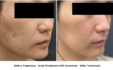
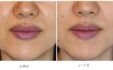
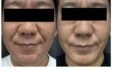
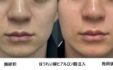
This patient was concerned about repeated inflammatory acne on both cheeks. Before treatment, she also had comedones (clogged pores), redness from previous breakouts, and post-inflammatory hyperpigmentation.
After several months of treatment with Acnetrent, new inflammatory acne lesions were no longer appearing in this case. Redness and pigmentation also became less noticeable, and the skin appeared smoother overall.
A typical course of Acnetrent lasts around six months.
Once active acne has settled, additional options such as laser treatments, Potenza, and medical-grade skincare products may be discussed to address remaining acne marks or uneven texture.
Treatment results vary by patient. Images show an individual case and do not guarantee the same results for everyone.
Side Effects of Acnetrent (Isotretinoin)
Common Side Effects
Because isotretinoin strongly reduces sebum production, dryness-related symptoms are particularly common.
- Dry or chapped lips (cheilitis): Lips may crack or peel, making regular lip balm helpful.
- Dry skin: Dryness can occur on the face and body, sometimes with itching.
- Dry eyes: Contact lenses may become uncomfortable, and lubricating eye drops may help.
What If Dryness Interferes with Daily Life?
Many side effects are related to the dose. If you experience severe dryness or other symptoms that affect daily life, let your doctor know.
The doctor may recommend additional skincare measures or adjust the dosage rather than asking you to continue despite significant discomfort.
Other Possible Side Effects
- Dryness inside the nose: Nasal irritation or nosebleeds may occur.
- Muscle or joint pain: This may be more noticeable in people who exercise intensely.
- Changes in blood lipids: Triglyceride or cholesterol levels may increase.
- Changes in liver enzymes: Blood test results such as ALT or AST may rise; dose adjustment or discontinuation may be needed.
- Mood or mental-health changes: Changes in mood or sleep should be discussed promptly. Tell the doctor about any history of mental-health difficulties before starting treatment.
Most Important Safety Warning: Pregnancy
Isotretinoin must not be used during pregnancy because it can cause severe birth defects.
Pregnancy prevention and pregnancy testing must be managed strictly before, during, and after treatment according to your doctor’s instructions. In the United States, isotretinoin is subject to a dedicated safety-management program called iPLEDGE.
Other Reported Adverse Effects
Other possible adverse effects include severe allergic reactions (including anaphylaxis), eye disorders or vision changes, kidney problems, chest tightness, shortness of breath, wheezing, dry mouth, rash, headaches, nausea, diarrhea, vomiting, hair loss, excessive sweating, arthritis, photosensitivity, pancreatitis, and jaundice.
Seek prompt medical attention if you develop serious or unusual symptoms.
Medications and Supplements to Use with Caution
Some medicines and supplements may interact with isotretinoin. Tell your doctor about all prescribed medications, over-the-counter products, and supplements you are taking.
Tetracycline Antibiotics (e.g., Minocycline or Doxycycline)
Combining isotretinoin with tetracycline-class antibiotics may increase the risk of intracranial hypertension, which can cause severe headaches and other symptoms. This combination should be avoided.
Systemic Corticosteroids (e.g., Prednisone or Prednisolone)
The original article notes a possible concern regarding bone health when systemic corticosteroids are combined with isotretinoin. If you take steroid medication, discuss your treatment with your doctor.
Inhaled steroids used for conditions such as asthma and topical steroids used for eczema are generally considered separately from systemic steroid therapy.
Phenytoin (an Antiseizure Medication)
Phenytoin itself may affect bone health. A doctor may recommend bone-health monitoring when appropriate.
Vitamin A Supplements
Vitamin A supplements may increase the risk of isotretinoin-related side effects. Many multivitamins contain vitamin A, so check their ingredient lists.
The original article distinguishes dietary vitamin A and beta-carotene from concentrated vitamin A supplements. It also recommends waiting for a period after completing treatment (approximately two months or more) before taking vitamin A supplements.
Ask your prescribing doctor before starting or restarting any vitamin A supplement.
Who Must Not Take Acnetrent?

Patients who are pregnant, breastfeeding, or planning to become pregnant must not take isotretinoin.
The risk of serious birth defects is a major reason that strict international precautions apply to isotretinoin treatment.
Acnetrent Price at Our Clinic
Acnetrent 20 mg: ¥20,000 for 30 capsules (approximately one month’s supply; tax included)
Our doctor will review your skin condition, medical history, and current medications before deciding on an individualized dose and treatment duration.
- Treatment suitability: Determined during a medical consultation
- Side-effect management: Guidance on dryness and dose adjustment when needed
- Combination treatment: Other suitable procedures may be discussed based on your skin condition
If isotretinoin is not appropriate after examination, our doctor will suggest other treatment options.
Frequently Asked Questions (FAQ)

Q1. Can I Donate Blood During Treatment?
A. No. You must not donate blood while taking isotretinoin or for one month after your final dose, regardless of sex. Donated blood could be given to a pregnant recipient, potentially exposing the fetus to the medicine.
Q2. Can I Drink Alcohol?
A. Alcohol intake should be discussed with your doctor. The original article states that moderate drinking may be acceptable, but both alcohol use and isotretinoin treatment can affect liver-related health. Liver function is monitored with blood tests during treatment.
Q3. When Can I Resume Hair Removal or Laser Treatments?
A. It depends on the procedure and your skin condition. Isotretinoin reduces sebum production and may make skin drier and more sensitive. Depending on the treatment, irritation, redness, or post-inflammatory pigmentation may be a concern.
At our clinic, we assess the degree of dryness, redness, and peeling, along with the treatment type, energy settings, and technique, before deciding whether a procedure is appropriate.
Some procedures, including laser toning, HIFU, radiofrequency (RF) treatments, and medical laser hair removal, may be considered during isotretinoin treatment when skin condition is stable and the doctor judges them to be appropriate.
Moisturizing and calming treatments, such as iontophoresis, may also be recommended to support the skin during treatment.
If your skin is very sensitive or a planned procedure is likely to cause substantial irritation, the doctor may recommend adjusting the settings, changing the area, or postponing the treatment.
Q4. Can I Take Over-the-Counter Supplements?
A. Avoid supplements containing vitamin A unless your doctor specifically approves them. Vitamin A in multivitamins and other supplements may increase isotretinoin-related side effects. Supplements containing vitamins C, B, or E may be considered, but please confirm your full supplement list with your doctor.
Q5. Can I Stop Taking Acnetrent as Soon as My Acne Clears?
A. Do not stop or change treatment without consulting your doctor. Even when the skin appears clear, acne may recur if treatment is ended prematurely.
Our clinic considers factors such as the cumulative amount of medication taken relative to body weight and your individual treatment response when planning the end of therapy.
Why Shouldn’t You Stop Treatment Immediately When Your Acne Clears?
Many patients notice visible improvement after approximately three months. However, early discontinuation can sometimes be followed by recurrence.
Visible Improvement and Long-Term Control Are Not Always the Same
Inflammatory lesions may improve substantially within the first few months, but changes in sebaceous gland activity and the risk of recurrence vary.
If treatment ends too early: Acne may return even after the skin has initially become clearer.
If the planned course is completed: Longer-term improvement may be more likely. The original article discusses a traditional cumulative-dose target of approximately 120–150 mg/kg, calculated according to body weight.
What Is the Cumulative Dose?
The cumulative dose is the total amount of isotretinoin taken over the course of treatment. It is sometimes considered alongside daily dosage and clinical response when deciding the duration of therapy.
The appropriate treatment target and duration are individualized. A clear complexion alone does not necessarily mean that treatment should be stopped immediately.
How Is Treatment Safely Finished?
In the original article, our clinic describes gradually reducing treatment frequency over the final one to two months while monitoring the skin.
For example, the doctor may change a once-daily schedule to every other day or every third day, depending on the individual patient’s treatment plan.
Do not adjust your own dosing schedule. Whether dose reduction is needed and how treatment should end must be determined by your doctor.
Final Thoughts
Acnetrent (isotretinoin) is an oral medication that targets several important factors involved in acne: clogged pores, excess oil production, acne-associated bacteria, and inflammation.
Rather than only treating individual breakouts, it aims to change the conditions that allow acne to keep developing. For people affected by stubborn or recurring acne, it may offer an important treatment option.
However, suitability, dosage, duration, side effects, and necessary safety monitoring vary from person to person. Treatment must be carried out under medical supervision.
この記事を読んだ人におすすめ

References and Sources
- Reynolds RV, et al. Guidelines of care for the management of acne vulgaris. Journal of the American Academy of Dermatology. 2024. Full article (JAAD)
- iPLEDGE REMS. Prescriber Guide / Best Practices (including pregnancy prevention and blood donation guidance). iPLEDGE guide (PDF)
- iPLEDGE REMS. Guide for Patients Who Can Get Pregnant. Patient guide (PDF)
- U.S. Food and Drug Administration. Isotretinoin prescribing information (including warnings related to tetracyclines, intracranial hypertension, and mental health). FDA label (PDF)
- Brar G, et al. Is less more with isotretinoin and acne? Review discussing cumulative dosing, including 120–150 mg/kg. Full article (PMC)
- Al Muqarrab F, et al. Review discussing conventional cumulative-dose recommendations of 120–150 mg/kg. Abstract (Wiley)





 03-6434-7678