
 電話で予約
 WEB予約
 LINEで予約


Shingetsukai Medical Corporation | Houreisen Skin Clinic
Osaka · Tokyo · Nagoya
Meet Our Doctors and Learn About Our Clinics
Small white bumps, red and swollen pimples, and redness or indentations that remain after acne clears are among the many concerns patients bring to us.
For whiteheads and blackheads, treatment primarily focuses on clearing clogged pores. For red, inflamed pimples and pus-filled pimples, the priority is to control inflammation. Persistent redness and pitted scars left after acne has healed require different treatment approaches.
目次
- Types of Acne and How to Tell Them Apart
- What Causes Acne?
- How to Care for Acne-Prone Skin at Home
- Standard Dermatological Treatments for Acne
- Post-Acne Redness, Dark Marks, and Pitted Scars: What’s the Difference?
- Acne and Acne Scar Treatments at Houreisen Skin Clinic
- Frequently Asked Questions About Acne
- Consult Us About Recurring Acne and Acne Scars
- References and Clinical Guidelines
Types of Acne and How to Tell Them Apart
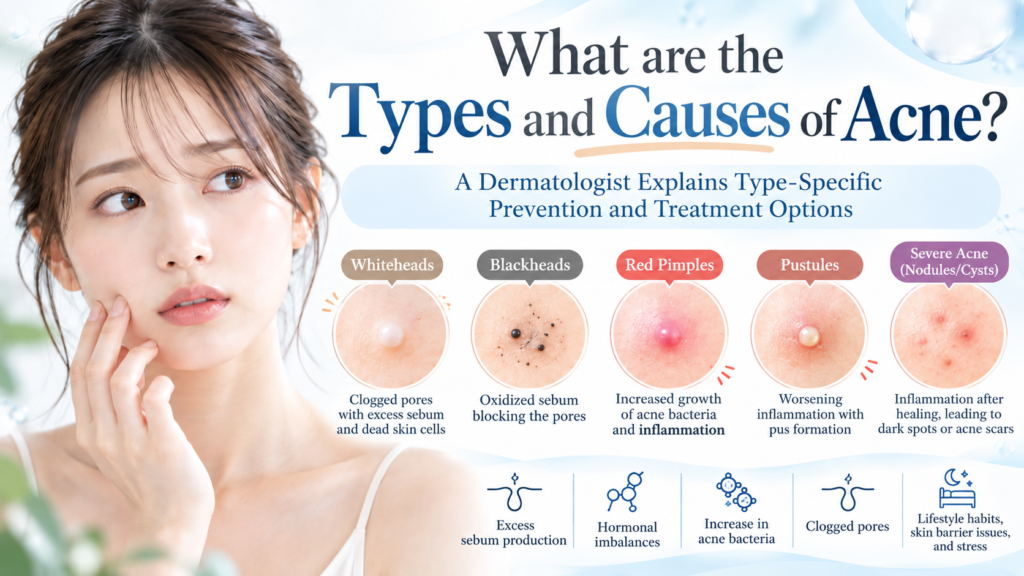
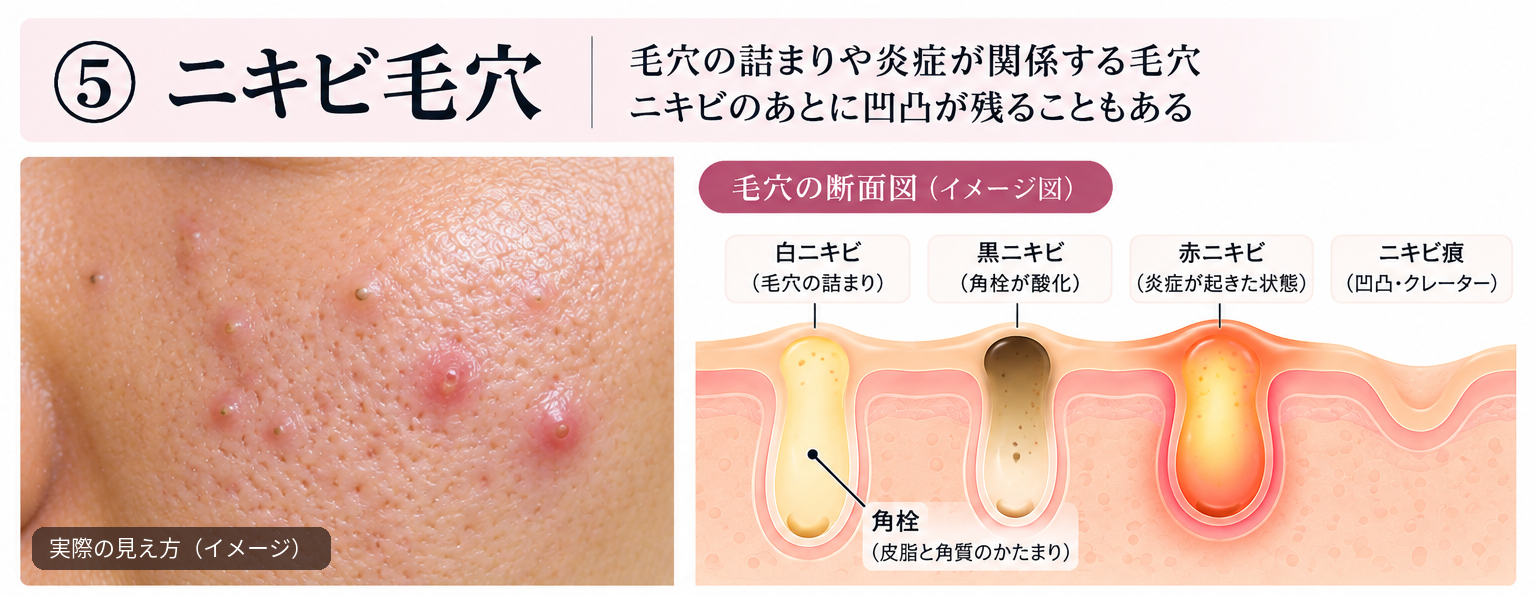
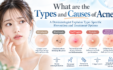
Whiteheads and blackheads develop when sebum and dead skin cells clog a pore. When inflammation develops, red pimples or pustules can appear. Acne that causes swelling deeper in the skin may form nodules or cysts. Several types of acne can occur on the same face at the same time.
| Acne Type | Typical Appearance | Main Treatment Approach |
|---|---|---|
| Whiteheads | Small white or skin-colored bumps | Topical medications to help clear clogged pores |
| Blackheads | Dark spots at the center of open pores | Topical medications to help clear clogged pores |
| Red Pimples (Papules) | Raised, red bumps that may be painful | Treatment of inflammation, primarily with topical medication |
| Pustules | Visible pus in the center of a red pimple | Anti-inflammatory acne treatment; do not squeeze or pop |
| Nodular or Cystic Acne | Large, firm swellings deep under the skin | Prompt dermatology evaluation; oral medication may be needed |
① Whiteheads | Small, White Bumps
Whiteheads develop when the opening of a pore is closed and sebum and dead skin cells accumulate inside. They are medically known as closed comedones. They commonly appear on the forehead and chin, sometimes without noticeable redness or pain.
The main treatments are topical medications such as adapalene and benzoyl peroxide, which help reduce clogged pores. Because whiteheads can progress to inflamed acne, early treatment may be recommended if they are increasing in number or frequently recurring.
Some small, firm white bumps, particularly around the eyes, may be milia rather than acne. A medical examination may be necessary when they are difficult to distinguish by appearance alone.
② Blackheads | Dark Centers in Open Pores
Blackheads are open comedones, in which the opening of the pore remains open. Accumulated dead skin cells and sebum undergo oxidation at the surface, and melanin also contributes to the dark appearance. Blackheads are not simply dirt that has been left on the skin.
Forcibly squeezing out the contents can injure the skin. As with whiteheads, topical medications are used to make pores less likely to become clogged. Our clinic may also provide chemical peels for patients with noticeable roughness caused by clogged pores.
③ Red Pimples | Red, Swollen, and Sometimes Painful
Red pimples are inflammatory papules caused by inflammation around hair follicles and pores. They appear as raised red bumps and may be tender to the touch. Prolonged inflammation can make residual redness or brown marks more likely after the pimples heal.
Topical medications such as benzoyl peroxide are used to treat this type of acne. If inflammation is more pronounced, topical or oral antibiotics may be added. For recurrent acne, treatment addresses both existing inflammation and prevention of new breakouts.
④ Pustules | Yellowish-White Pus in the Center
When yellowish-white pus becomes visible at the center of a red, inflamed bump, it is called a pustule. Trying to squeeze it with fingers or nails can damage the skin and worsen inflammation or scarring.
Topical medication to control inflammation is the main treatment. When pustules are widespread, oral medication may also be necessary.
⑤ Nodular or Cystic Acne | Large, Deep, Painful Lumps
Acne that causes deep, firm lumps and significant pain may involve nodules or cysts. Deep inflammation increases the risk of pitted scars or raised scars after healing.
If you develop this type of acne, seek dermatological care rather than relying on self-care for an extended period. Topical medications alone may not be sufficient, and oral treatment may be considered.
What Causes Acne?
Acne vulgaris begins when dead skin cells accumulate at the opening of a pore and prevent sebum from flowing out normally. As sebum and dead skin cells build up inside, whiteheads or blackheads (comedones) develop.
Cutibacterium acnes (C. acnes), a bacterium that lives in pores, and the skin’s immune response also contribute to inflammation. Pimples may become red and swollen or develop pus. If inflammation extends into deeper layers of skin, nodules and acne scars may result.
Sebum production is influenced by hormonal changes, such as those during puberty or the menstrual cycle. In addition to individual susceptibility, friction from face masks, unsuitable cosmetics, and stress can aggravate acne. Acne is not caused solely by inadequate face washing, and washing repeatedly does not necessarily resolve clogged pores.
How to Care for Acne-Prone Skin at Home
Wash Your Face Gently, Usually Twice a Day
Wash gently in the morning and evening with a mild cleanser and avoid scrubbing. Harsh scrubs or very hot water can irritate the skin and cause redness or dryness. After sweating, gently rinse away sweat and impurities without rubbing.
Keep Your Skin Moisturized
Even oily skin benefits from moisturizing after washing. Dryness and peeling can occur when using adapalene or benzoyl peroxide; combining treatment with a moisturizer can make it easier to continue as prescribed.
If heavy or greasy products are a concern, you may wish to look for moisturizers and sunscreens labeled “non-comedogenic tested” or similar.
Avoid Touching or Popping Pimples
Squeezing pimples with fingers or nails may prolong inflammation and contribute to pigmentation changes or scars. If you tend to touch your face whenever you look in the mirror, reducing that habit is a useful first step.
Protect Your Skin From UV Exposure and Friction
Brown marks remaining after acne, known as post-inflammatory hyperpigmentation, can become darker with sun exposure. Use a sunscreen that suits your skin and reapply it when spending extended periods outdoors.
If breakouts occur where masks, helmets, or hair repeatedly rub against the skin, reducing friction and prolonged moisture buildup may help.
Sleep, Stress, and Diet
Some people notice that acne worsens with poor sleep or ongoing stress. The relationship between diet and acne is also being studied, but there is no need to ban specific foods across the board. Rather than relying on extreme dietary restrictions, aim for healthy sleep and eating habits while treating recurrent acne with appropriate medication.
Standard Dermatological Treatments for Acne
Whiteheads and blackheads are treated with medications that address clogged pores. If red pimples or pustules are becoming more common, treatment to reduce inflammation is added.
Topical Medications | Adapalene, Benzoyl Peroxide, and Others
Adapalene helps prevent pores from becoming clogged. Benzoyl peroxide (BPO) also helps clear clogged pores and reduce C. acnes bacteria. Where inflammation is present, topical antibiotics or combination products may be prescribed.
Dryness, peeling, redness, and stinging may occur when starting treatment, so follow your doctor’s instructions regarding the amount and frequency of application. If you are pregnant or planning a pregnancy, consult your prescribing doctor, particularly regarding the use of adapalene.
Oral Antibiotics | For Widespread Inflamed Acne
Oral antibiotics may be used when red pimples or pustules affect large areas of the face. They are usually combined with topical treatment for clogged pores.
Prolonged use of antibiotics can contribute to antimicrobial resistance, so treatment duration is determined according to the degree of inflammation.
Why Continue Topical Medication After Acne Improves?
Even after visible redness subsides, very small, invisible clogs may remain in the pores. Continuing topical medications such as adapalene or benzoyl peroxide as maintenance therapy helps prevent new acne lesions.
Some treatments take several weeks to a few months to show improvement. If you experience significant dryness or irritation, speak with your prescribing doctor instead of forcing yourself to continue treatment without advice.
Post-Acne Redness, Dark Marks, and Pitted Scars: What’s the Difference?
Marks left after acne has healed include red marks, brown pigmentation, and pitted scars. The appropriate treatment depends on whether you still have active acne or are dealing with its aftereffects.
Red Marks After Acne
Redness may persist after inflammation settles, partly because of dilated small blood vessels. Flat red marks sometimes fade over time. Light-based treatment may be considered when they remain noticeable for a long period.
Brown Marks After Acne
These marks are caused by post-inflammatory hyperpigmentation, in which melanin production increases after inflammation. Since UV exposure can darken the pigmentation, sunscreen is important. For persistent marks, topical medications or laser-based treatments may be considered.
Pitted Acne Scars
Severe inflammation can damage collagen and other structures in the dermis, leaving permanent indentations. Unlike residual redness or pigmentation, deep pitted scars rarely become completely flat on their own. Treatments such as Potenza Prime may be used to improve their appearance.
If you have both active inflamed acne and pitted scars, we often prioritize controlling new breakouts before treating the indentations.
Learn more about Potenza treatment for acne scars and pitted skin
Acne and Acne Scar Treatments at Houreisen Skin Clinic
Our clinic offers treatments such as chemical peels for clogged pores, Acnetrent for difficult-to-treat acne, and Potenza Prime for uneven skin texture and pitted acne scars.
Chemical Peels | For Whiteheads, Blackheads, and Rough Pores
Chemical peeling uses a solution to remove excess dead skin cells and help unclog pores. Our clinic offers peels using salicylic acid in macrogol and glycolic acid.
These treatments may be suitable for patients with recurring whiteheads or blackheads or rough skin caused by clogged pores. If red pimples or pustules are widespread, topical or oral treatment for inflammation takes priority.
Price: ¥6,600 per chemical peel (tax included)
Main risks and side effects: Redness, dryness, stinging, peeling, and hyperpigmentation.
Learn more about salicylic acid (macrogol) peeling
Acnetrent (Isotretinoin) | For Difficult-to-Treat Acne
For acne that does not sufficiently respond to topical medication or recurrent deep, inflamed acne, oral isotretinoin may be an option. This medication reduces sebum production and helps prevent clogged pores. Our clinic provides the product Acnetrent.
In one of our cases involving a woman in her 20s, inflammatory acne, clogged pores (comedones), redness, and hyperpigmentation were present on both cheeks. After six months of Acnetrent treatment, the inflammatory acne was no longer visible, and the redness and hyperpigmentation had also improved.
Isotretinoin is not approved in Japan as an acne treatment. Because it can cause serious harm to a developing fetus, it must not be used during pregnancy or breastfeeding, or by people who may be pregnant or are planning to become pregnant. Contraception and pregnancy checks are necessary before, during, and after treatment. Dry lips and skin, as well as changes in liver function or blood lipid levels, may occur. Treatment therefore requires a doctor’s supervision, including medication reviews and blood testing.
Price: Acnetrent 20 mg, 30 tablets (approximately one month): ¥20,000 (tax included)
Learn more about Acnetrent treatment and precautions
Potenza Prime | For Pitted Acne Scars
For patients whose active acne has subsided but who still have pitted scars on the cheeks or other areas, we offer treatment with Potenza Prime. This treatment uses tiny needles to stimulate the skin, together with radiofrequency (RF) energy, to encourage collagen production.
For drug delivery, our clinic uses McCoom (PLLA) or Juvelook (PDLLA and non-cross-linked hyaluronic acid), using one vial per session. McCoom may be chosen for uneven acne scars, while Juvelook may be used for pores, skin texture, and firmness. The treatment is selected according to the shape and depth of the depressions.
At our clinic, a typical treatment plan is approximately three to five sessions at four-week intervals. Very deep acne scars may not become sufficiently flat with Potenza treatment alone.
Prices: McCoom drug delivery, one vial: ¥66,000 per session / Juvelook drug delivery, one vial: ¥77,000 per session (tax included; anesthesia and soothing mask included).
Main risks and side effects: Redness, swelling, stinging, bruising, scabbing, hyperpigmentation, and infection.
Learn more about Potenza Prime treatment and pricing
Learn about the differences between McCoom and Juvelook
Light and Laser Treatments | For Post-Acne Redness and Pigmentation
When redness or pigmentation remains after acne heals, we first assess its cause before considering light or laser treatment. Our Tokyo clinic uses Lumecca (IPL), while our Osaka clinic uses Tri-Beam Premium.
The type of device and settings differ depending on whether the goal is to address redness or brown pigmentation. Melasma may worsen after certain light or laser treatments, so it is important to check for its presence before treatment.
Main risks and side effects: Redness, stinging, post-inflammatory hyperpigmentation, and temporary changes in skin color.
Learn more about Lumecca (Tokyo clinic)
Learn more about Tri-Beam Premium (Osaka clinic)
Main Treatments and Standard Prices
| Treatment | Main Indications | Standard Price (Tax Included) |
|---|---|---|
| Chemical Peel | Clogged pores and comedones | ¥6,600 per session |
| Acnetrent 20 mg, 30 Tablets | Severe, treatment-resistant acne | ¥20,000 for approximately one month |
| Potenza Prime + McCoom (1 Vial) | Acne scars and uneven texture | ¥66,000 per session |
| Potenza Prime + Juvelook (1 Vial) | Acne scars, pores, and skin firmness | ¥77,000 per session |
Note: These are standard tax-inclusive prices, checked against the clinic’s official price list and treatment pages as of October 23, 2026. Please see the price list for the latest information.
Frequently Asked Questions About Acne
Q. Can acne go away on its own?
Some minor pimples do settle on their own. However, if you repeatedly develop inflamed red pimples or deep nodules, we recommend starting dermatological treatment before scars develop.
Q. Should I wash my face more frequently?
Washing in the morning and evening is generally sufficient. Washing too often or scrubbing harshly may dry out and irritate your skin rather than clear clogged pores.
Q. Can chemical peels alone treat red pimples or pustules?
Inflamed red pimples and pus-filled lesions require treatment that addresses inflammation, primarily with topical medications. Chemical peeling may be combined with other treatments when clogged pores or roughness are a concern.
Q. Can I receive treatment for pitted acne scars while I still have acne?
If you have many actively inflamed pimples, we first focus on controlling the inflammation. Once acne is under control, we can proceed with treatment based on the depth and extent of the remaining scars.
Consult Us About Recurring Acne and Acne Scars
If you keep getting acne in the same areas, have persistent redness or pigmentation, or are concerned about pitted scars, please consult our clinic. We will also review any treatments you have tried previously.
Book an Appointment at Houreisen Skin Clinic
Related Article: Types and Causes of Visible Pores and Their Treatments
References and Clinical Guidelines
- Japanese Dermatological Association: Clinical Practice Guidelines for Acne Vulgaris and Rosacea (2023)
- American Academy of Dermatology: Acne Clinical Guideline (2024)
- NICE: Acne Vulgaris: Management (NG198)




 03-6434-7678
 オンライン相談
 来院予約